In depth
India Builds the Startups. Who Owns the Boom?
Why Indian startups seek foreign investment—and what ownership records from Swiggy, Zepto, Flipkart and PhonePe actually reveal.

Why Indian startups seek foreign investment—and what ownership records from Swiggy, Zepto, Flipkart and PhonePe actually reveal.
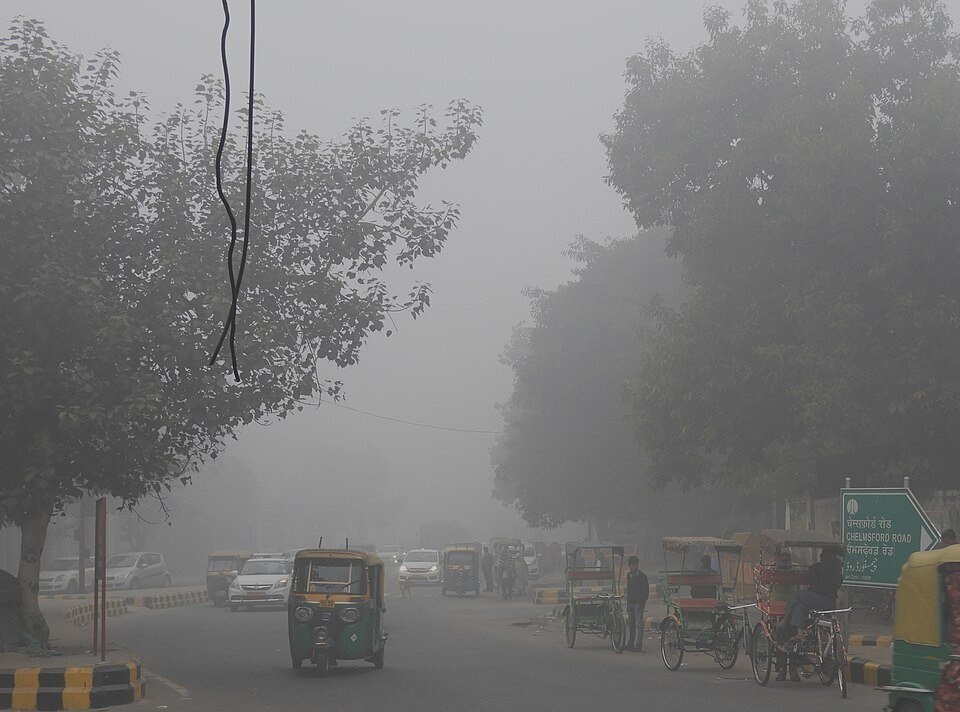
Delhi-NCR has withdrawn GRAP Stage III after an improvement in air quality, but separate construction restrictions and a 50% office-attendance order remain in force through 20 November.
India and Italy are discussing faster regulatory certifications as they target €20 billion in annual trade by 2029, a 41% rise from their 2025 baseline.
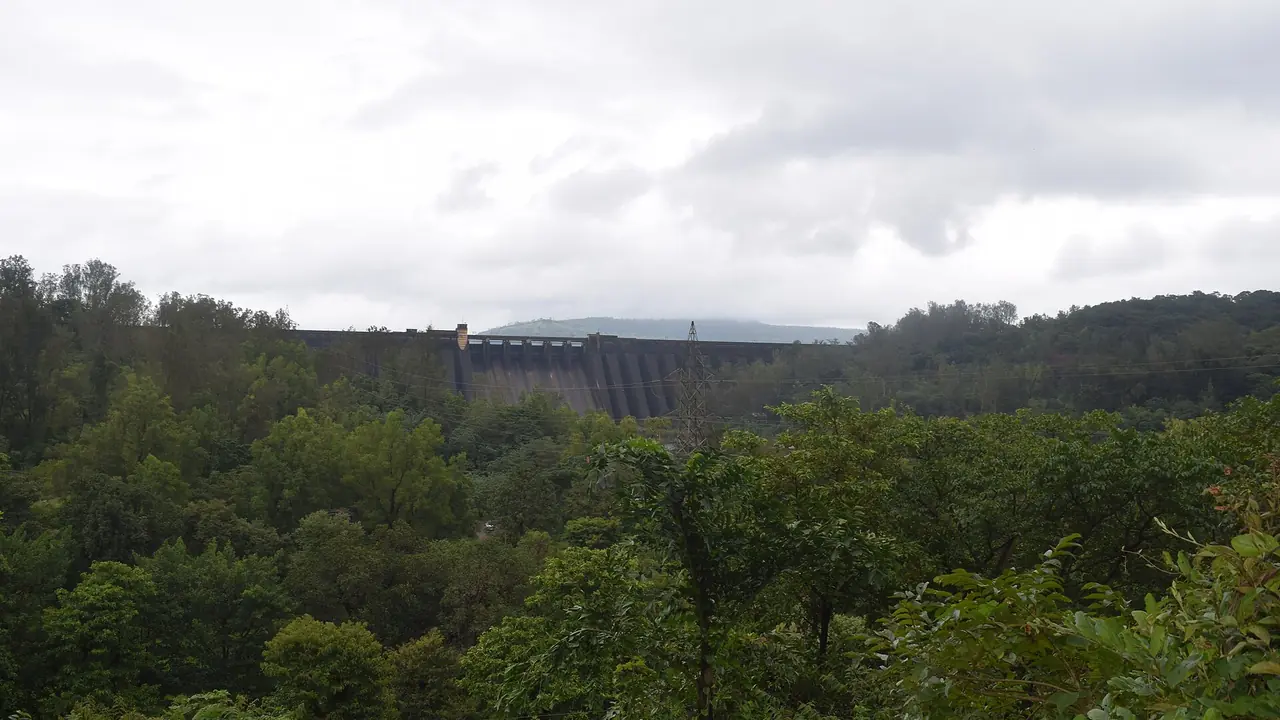
Maharashtra is reviewing the stop-work order on Adani Green's 1,500 MW Tarali pumped-storage project. The company's explanation of two cost estimates leaves wildlife payment and clearance questions unresolved.

Ranveer Singh and Aman Gupta launch H.I.M, an eight-product men's grooming brand under OFF/BEAT Studios, competing in India's established skincare market.
Why Indian startups seek foreign investment—and what ownership records from Swiggy, Zepto, Flipkart and PhonePe actually reveal.

Indian Railways earned ₹2.65 lakh crore in 2024–25 but recorded just ₹2,660 crore surplus. Explore passenger losses, freight subsidies and railway finances.

Bhojpuri Chhath Puja songs were stopped at some Mumbai railway stations after political objections. Commuters and online users remain divided over the decision.
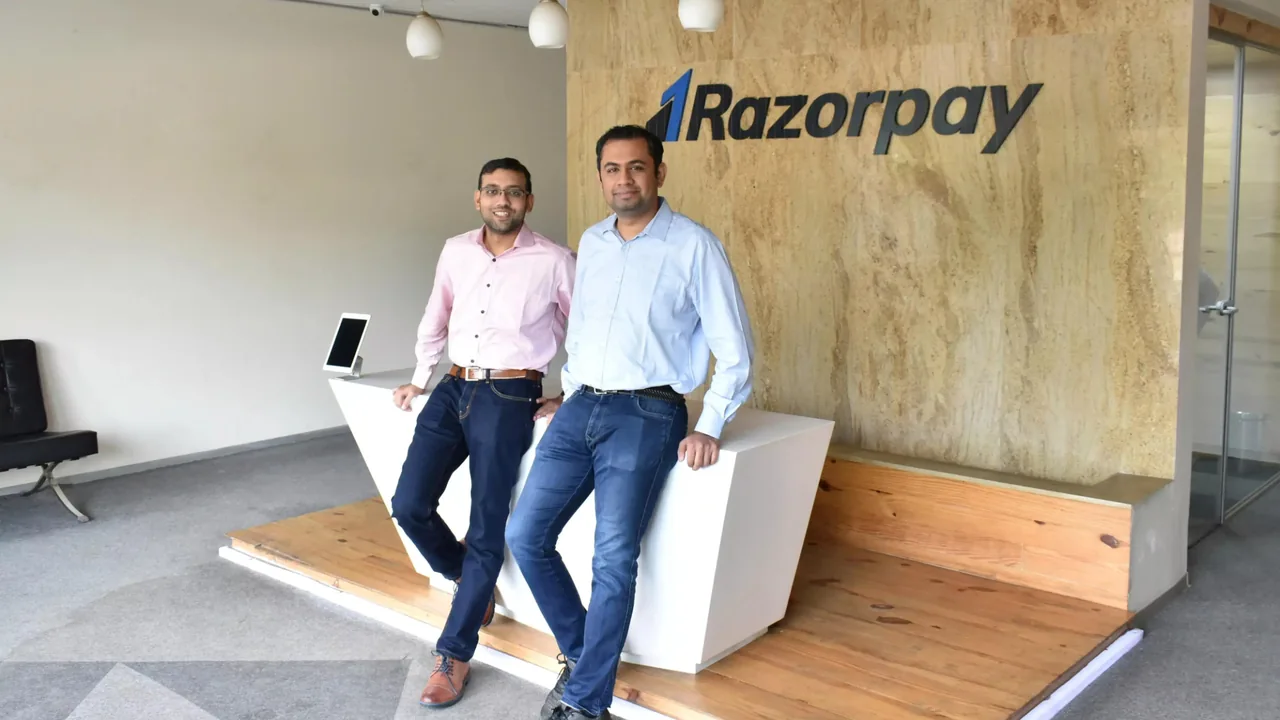
Razorpay has secured SEBI clearance for its proposed IPO. Reports point to a ₹5,000–6,000 crore issue and $5 billion valuation, but the final pricing and listing date remain open.

NITI Aayog's PLI assessment finds investment at 76% of target and job creation at 28% as of March 2026.
From SpaceX's $75 billion debut to Visa's extraordinary returns, the world's biggest IPOs reveal how differently companies, selling shareholders and public investors can benefit.
Anthropic's planned IPO reveals $900.9bn in long-term AI commitments, $26bn in partner investments and a governance structure that limits shareholder control.
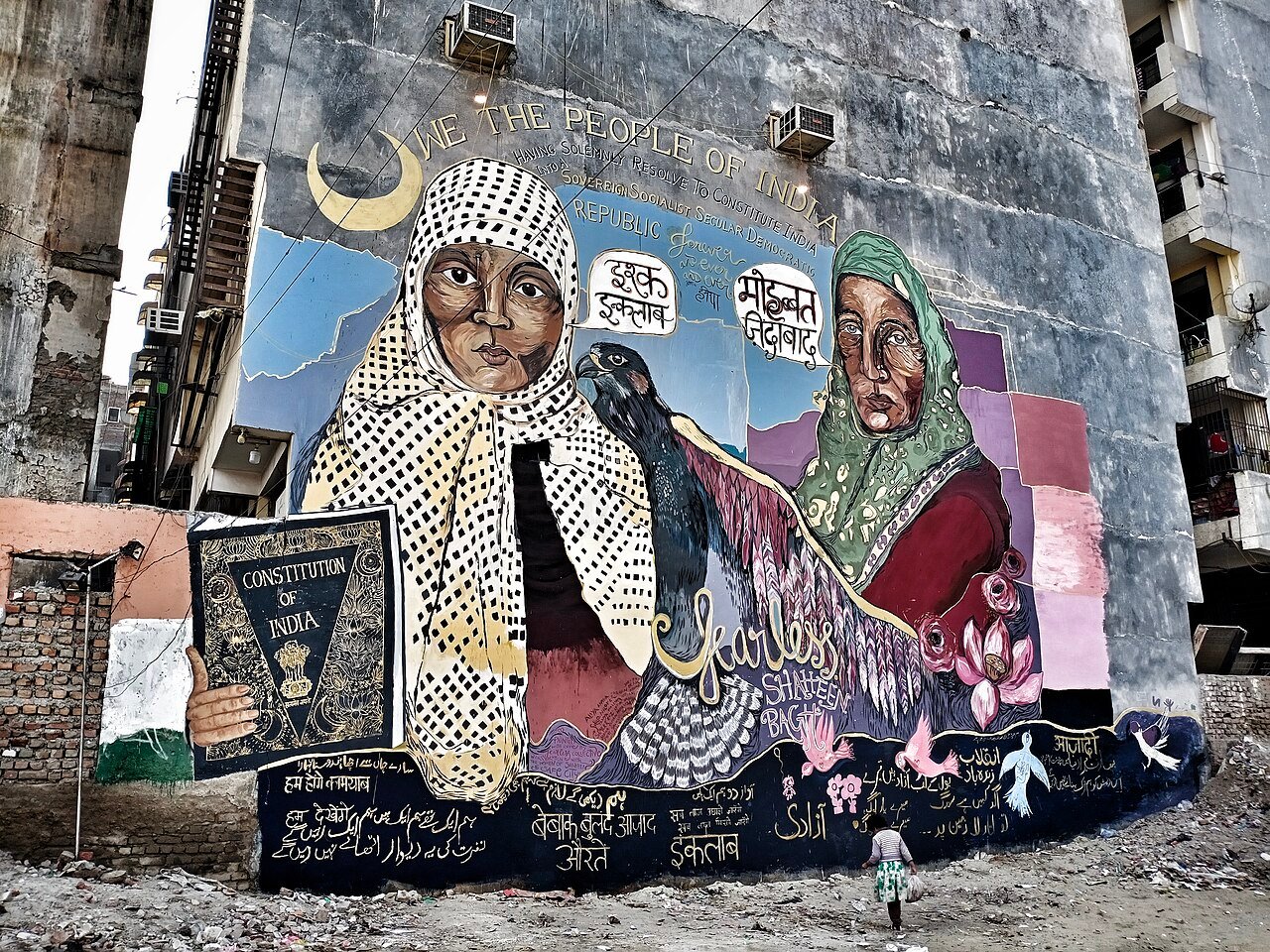
The freedom to question those in power is central to democracy. But when criticism invites intimidation, public attacks and fear, what happens to the constitutional right to dissent?
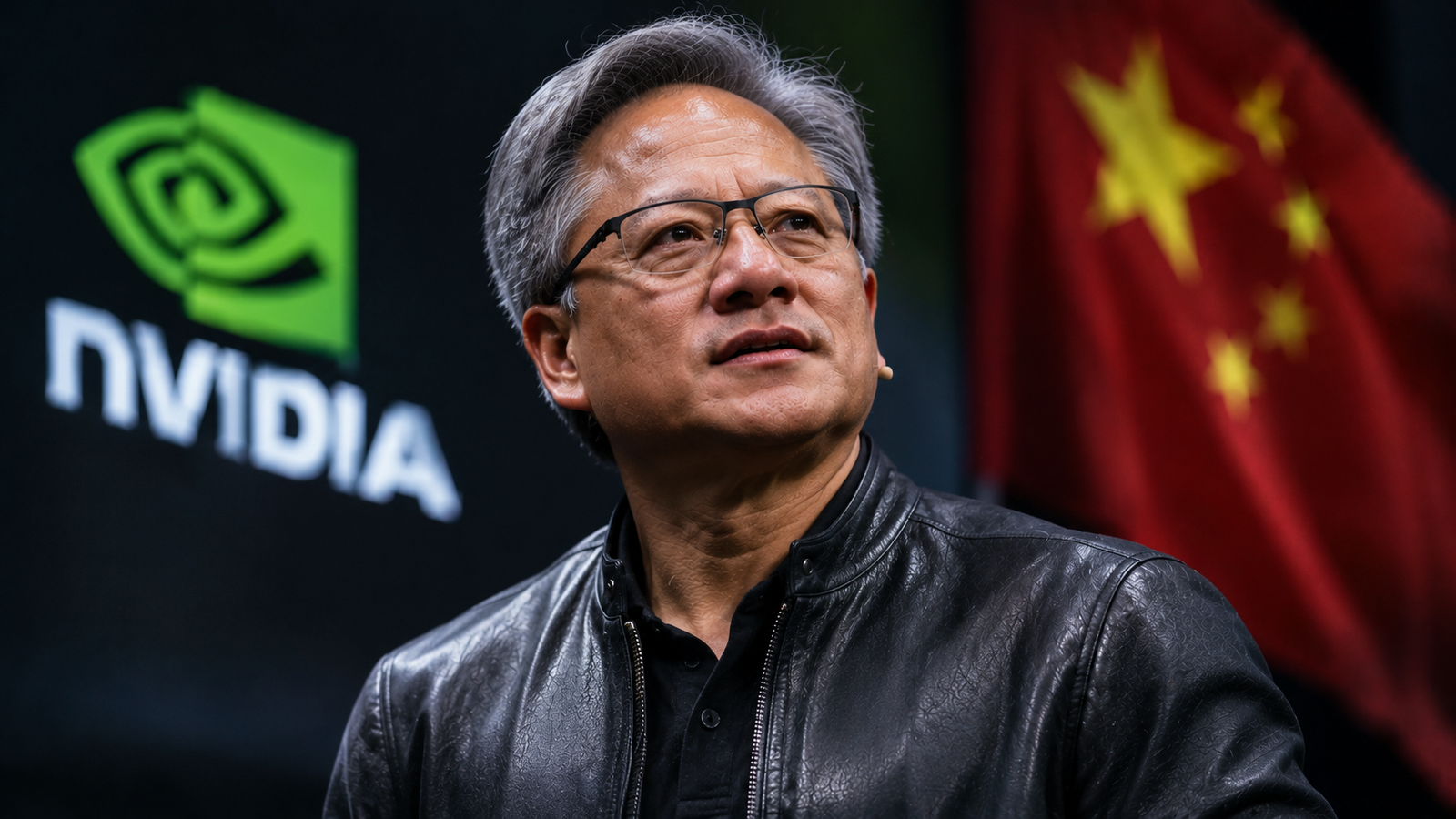
Reports of an alleged Chinese intelligence operation involving Nvidia CEO Jensen Huang have triggered a board investigation, congressional scrutiny and questions about the chipmaker’s leadership.
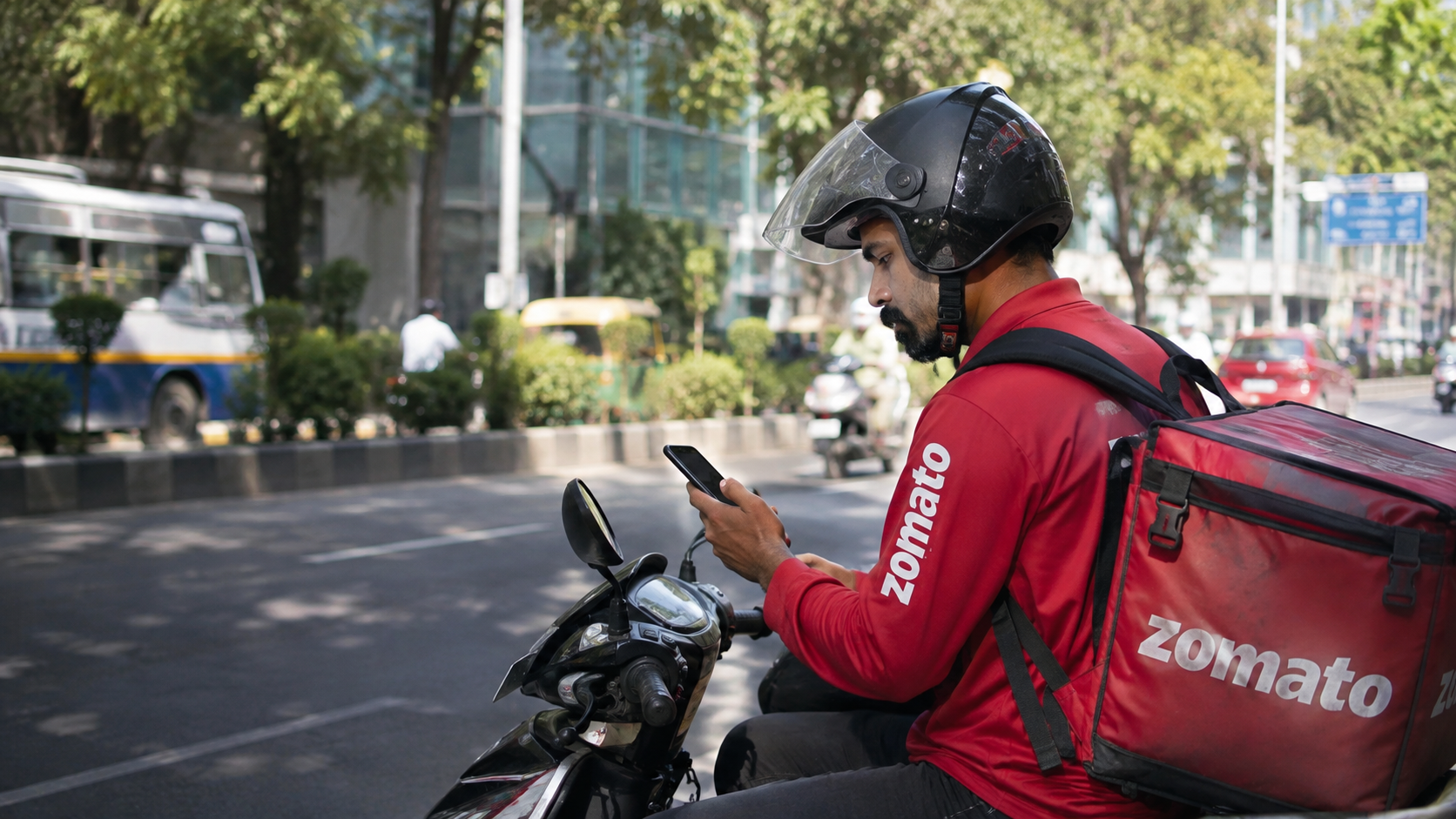
Nearly twelve months after India replaced 29 central labour laws with four consolidated codes, employers face a new compliance framework and workers face a difficult transition from statutory entitlements to practical protection.
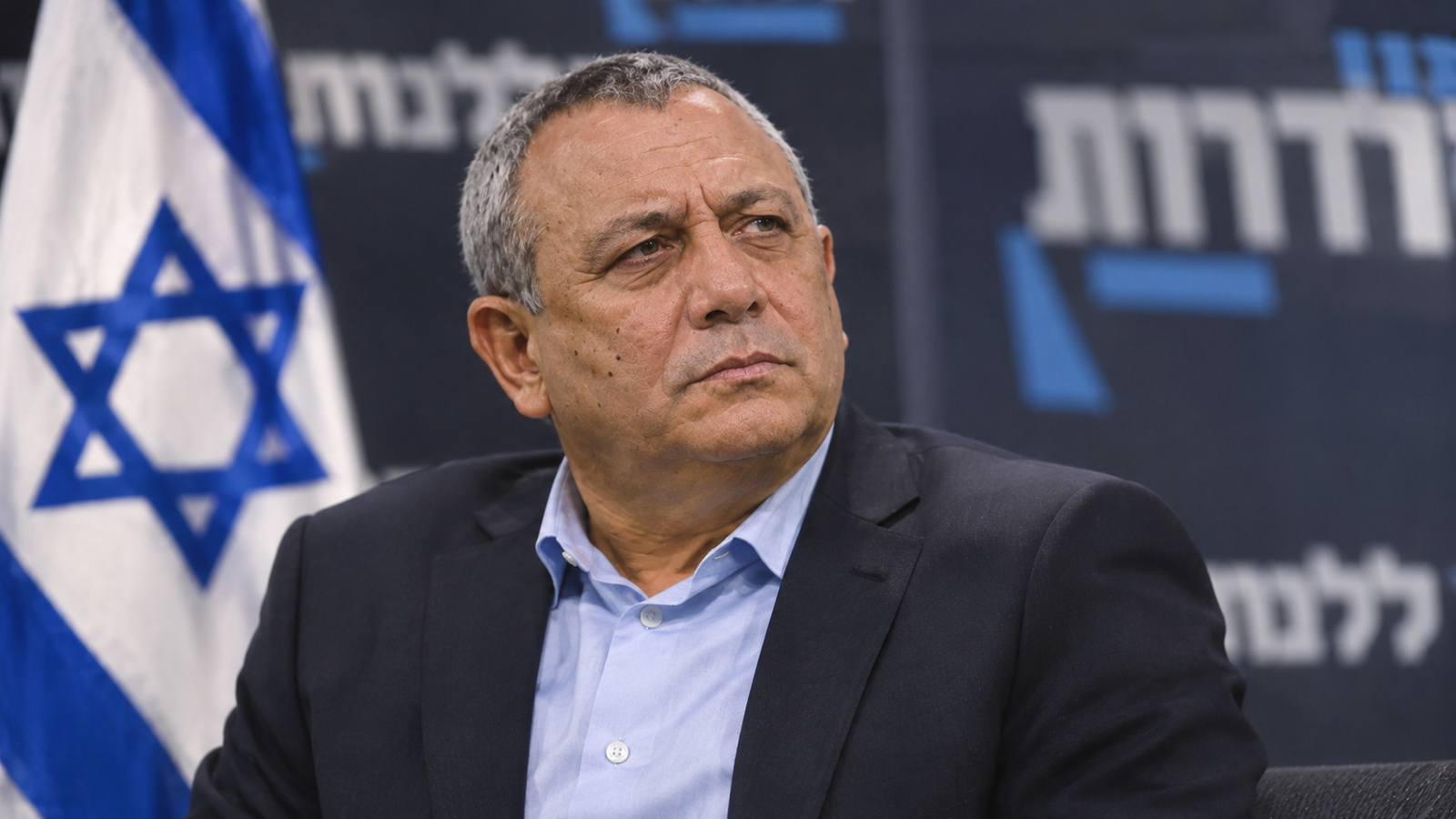
Benjamin Netanyahu’s coalition has lost its parliamentary majority, but his Likud party remains Israel’s largest. With 67 lawmakers backing Gadi Eisenkot for the premiership and no agreed governing coalition, the election has produced a political reversal without yet producing a change of government.
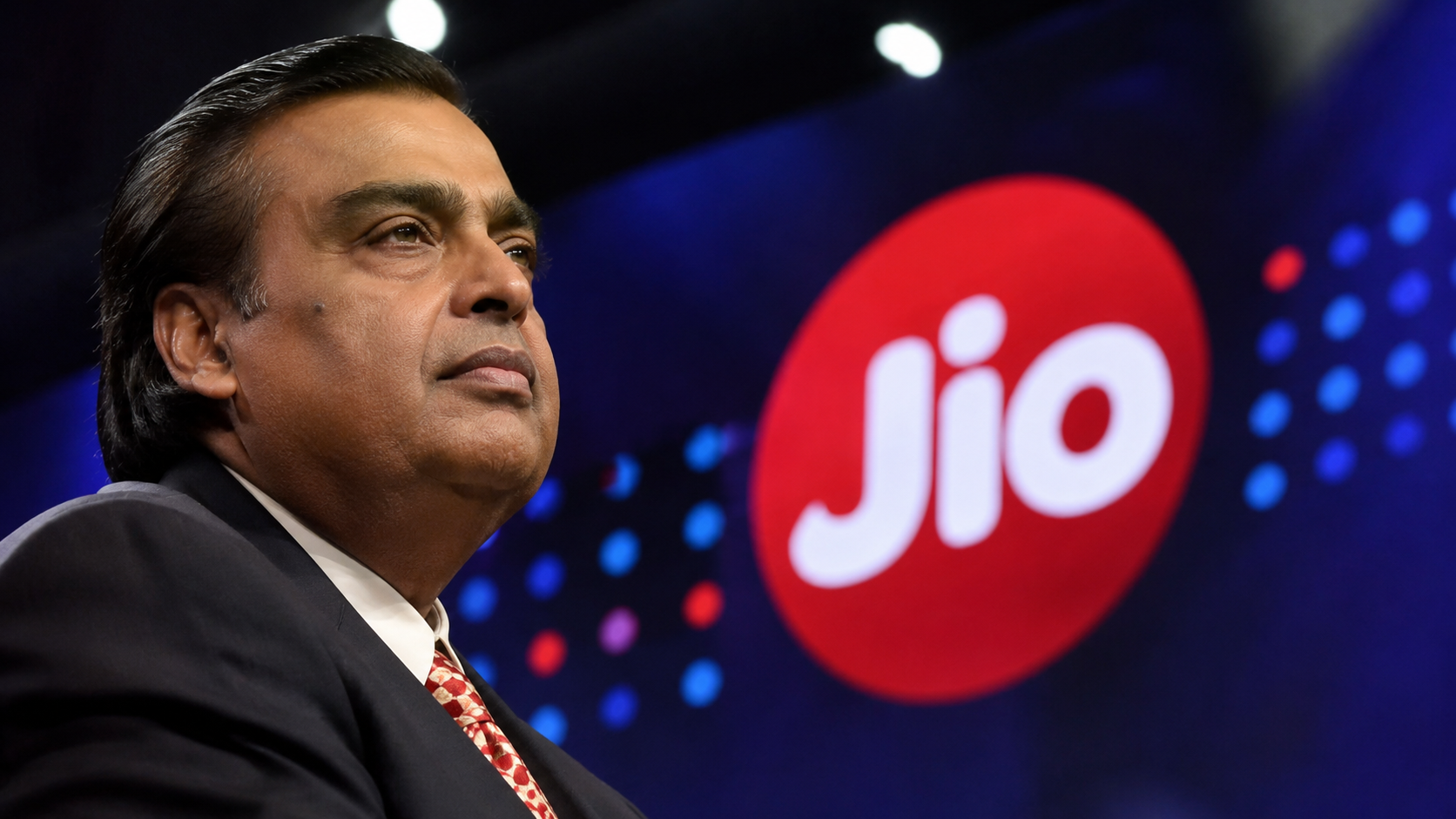
The Jio question has changed from when it will list to how it trades. Jio Platforms listed on 28 October at ₹1,358, 21.4% above its ₹1,119 issue price,² after a ₹30,213 crore fresh issue that CNBC called the largest IPO in India's history.¹ It closed at ₹1,421.70 on 4 November, about 27% above the issue price.⁸
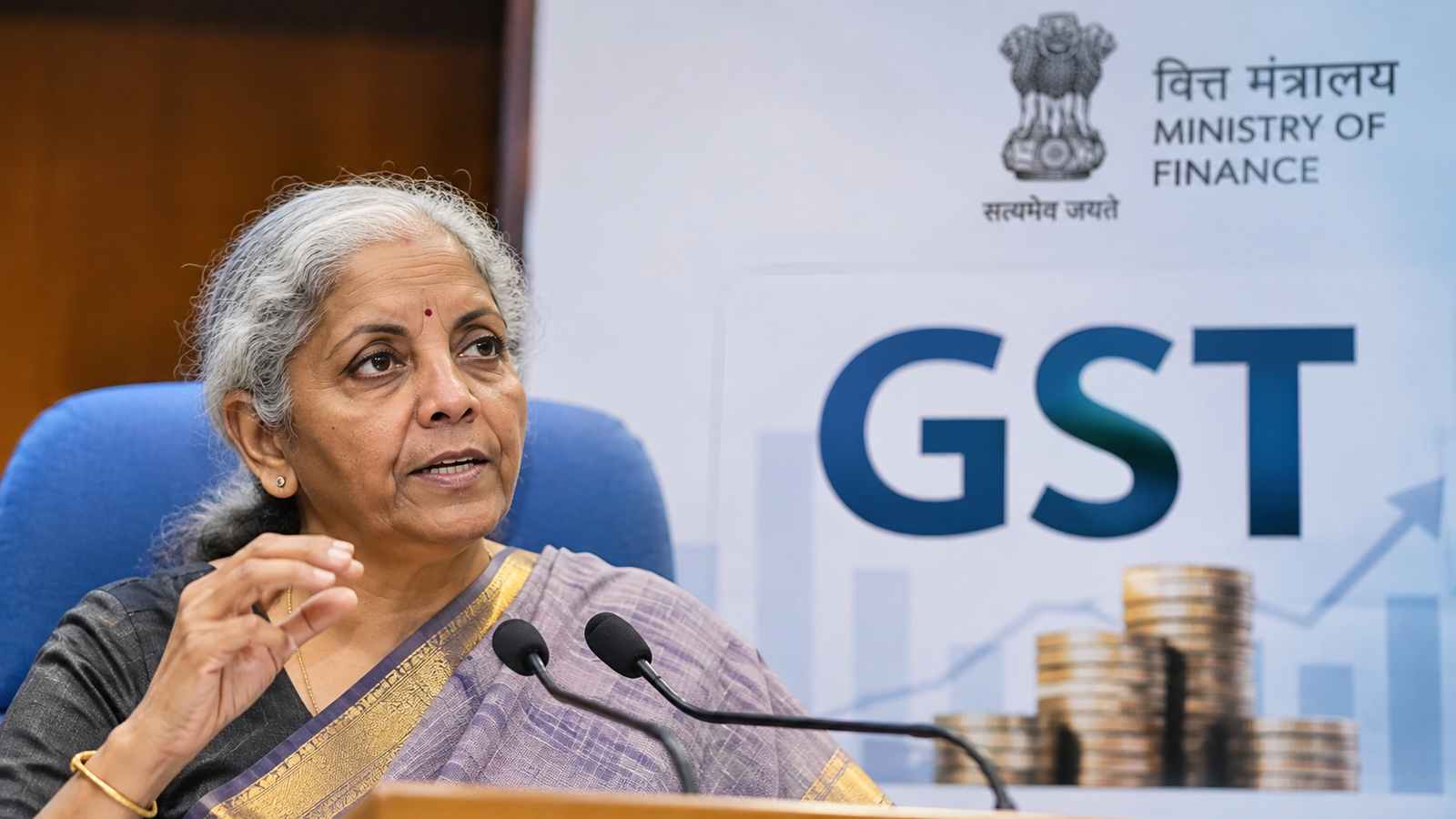
GST collections have grown at their fastest pace in more than four years, but a sharp rise in import-related taxes, a weaker rupee and a favourable comparison with last year complicate the story. The figures point to stronger economic activity, though they do not establish a comparable increase in household consumption
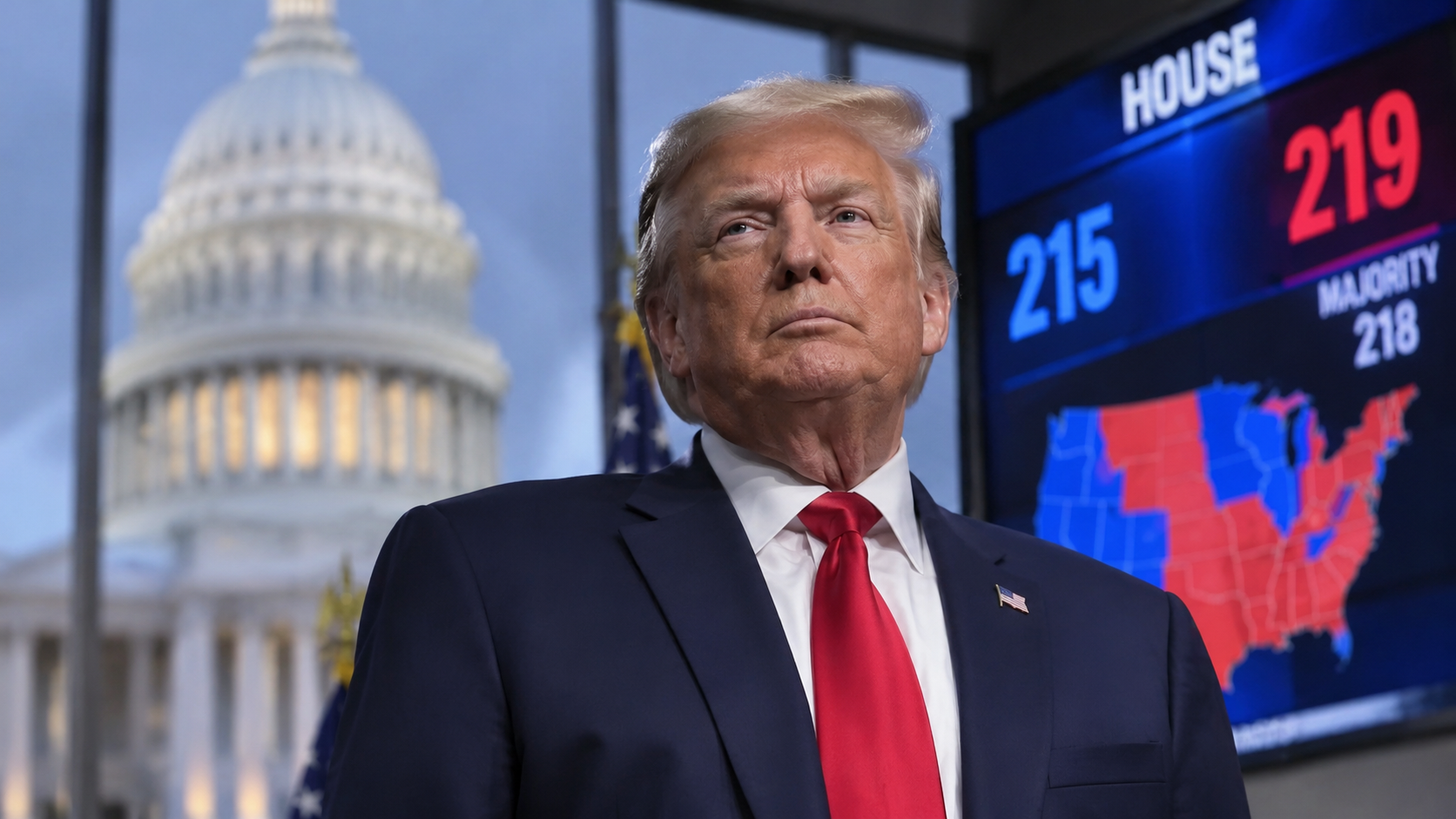
Democrats have taken both chambers of Congress, but the sharpest US levers over India still sit with the White House. The relief shows up fast in markets and oil, and slowly or not at all in tariffs, sanctions and visas.
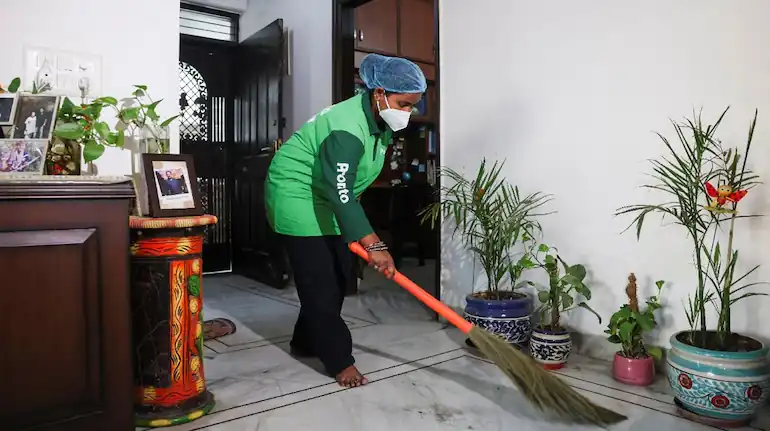
India's instant cleaning apps are making domestic work available at startling prices. But when venture subsidies fade, who will pay the real cost?
From SpaceX to Saudi Aramco, Alibaba and Visa, the world’s biggest IPOs reveal who benefited—and how public investors fared.

Two publishing disputes reveal unresolved questions about reputation, editorial independence and the right to publish.
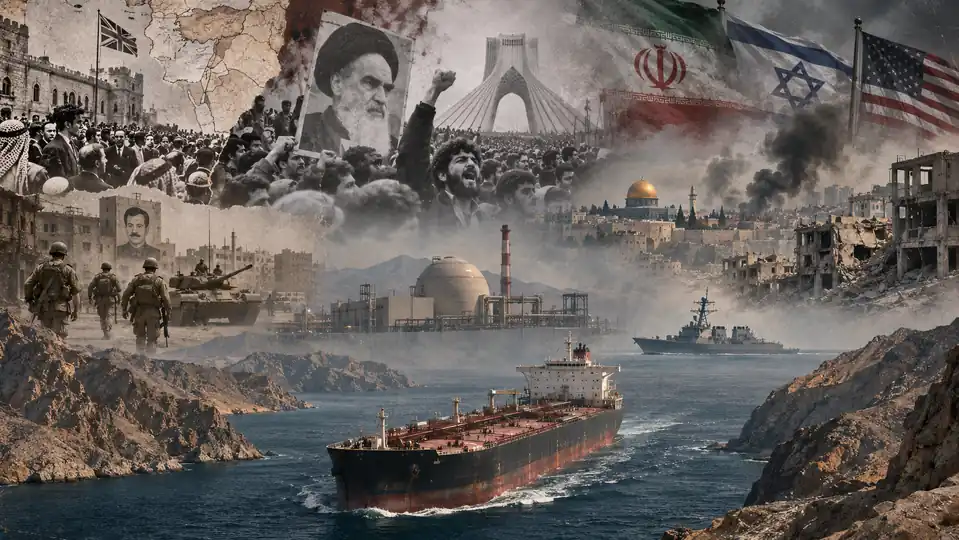
From the post-Ottoman settlements to Hormuz, the decisions and conflicts behind the present crisis.
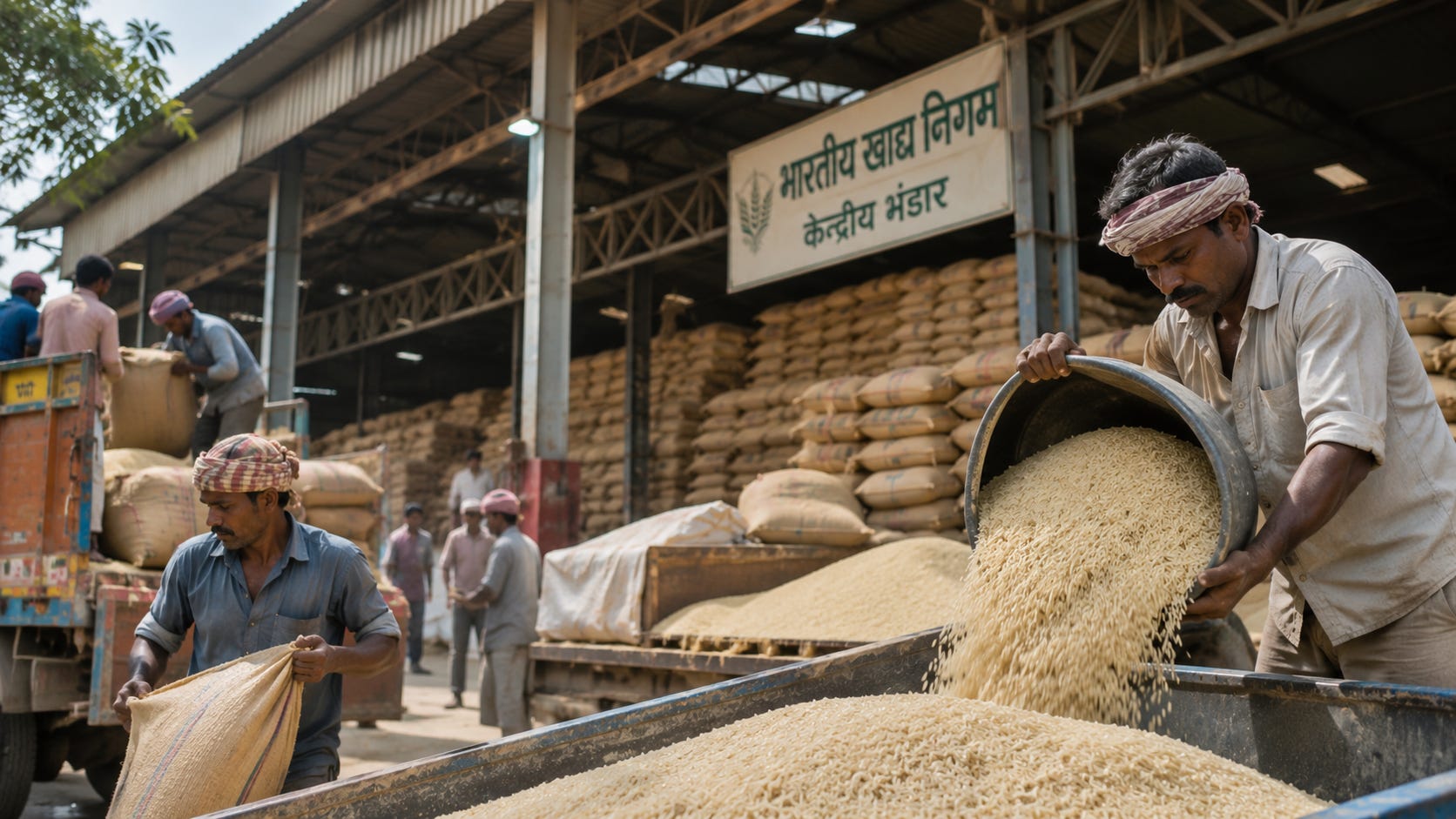
The Power Brief | 7 November 2026 | Food prices, semiconductor manufacturing, Indian markets and US–Iran diplomacy
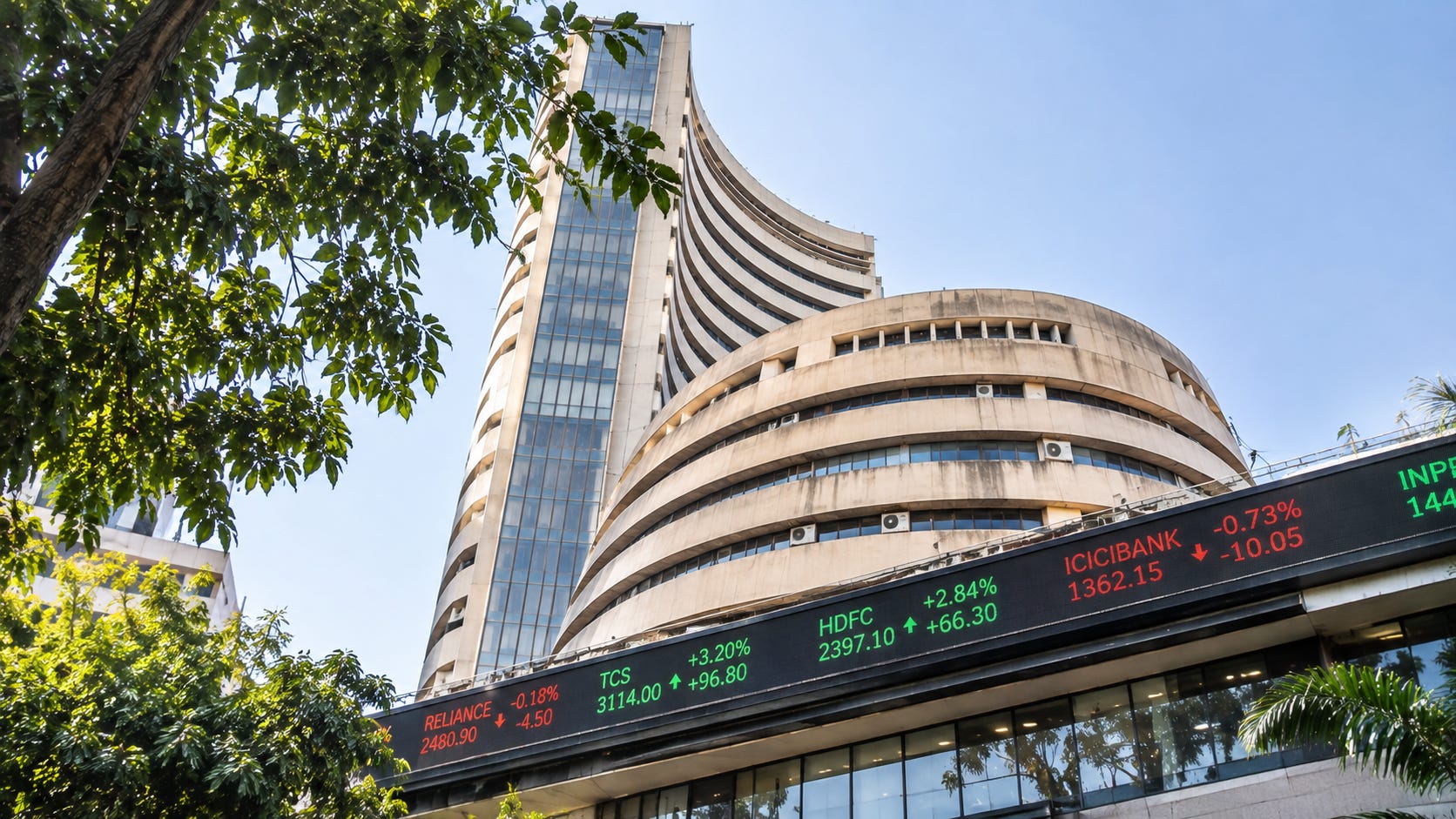
The Power Brief | 6 November 2026 | Indian equities, critical minerals, bank lending and social media regulation
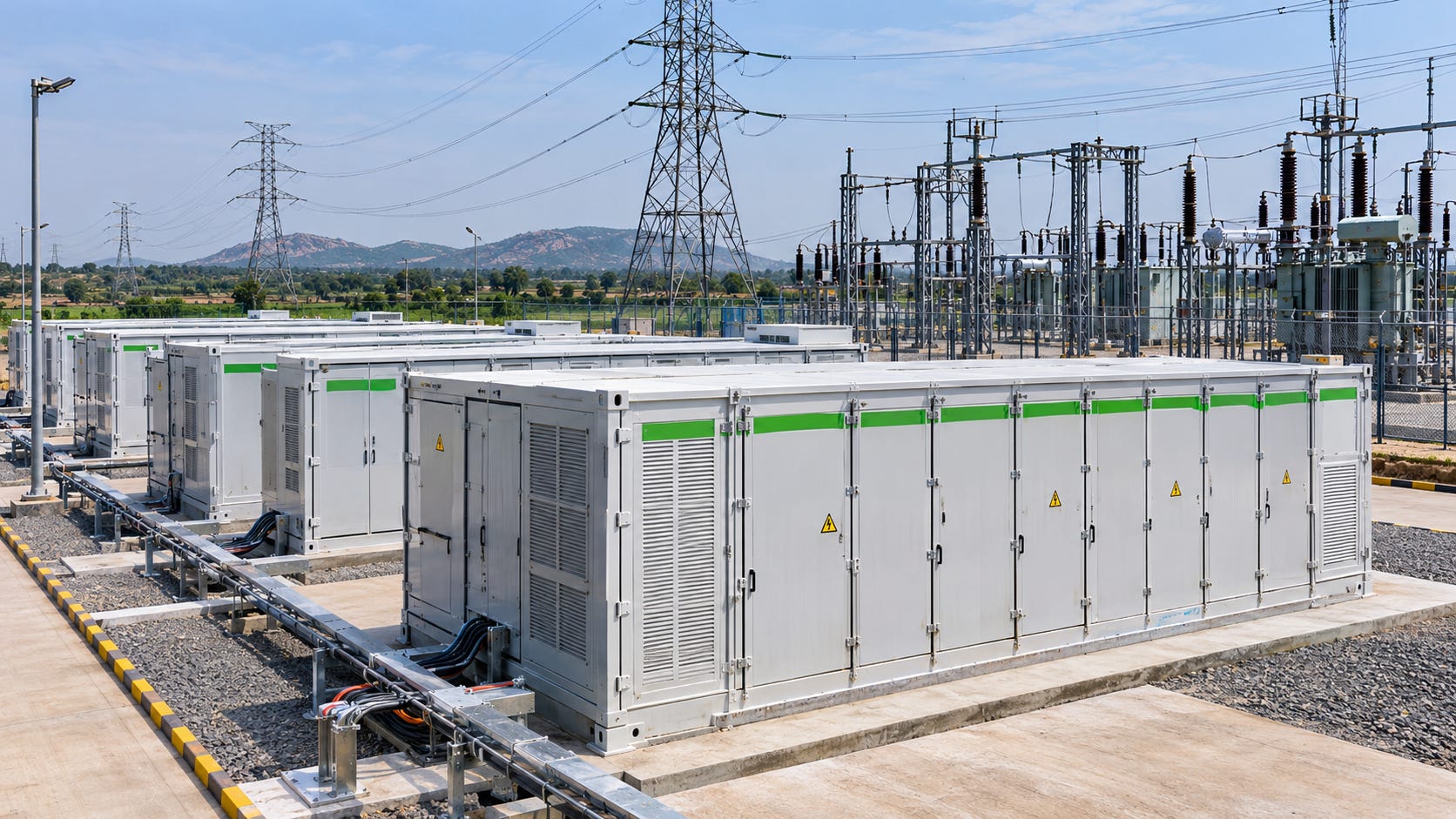
The Power Brief | 5 November 2026 | Energy infrastructure, US midterms, India’s services economy and pharmaceutical regulation
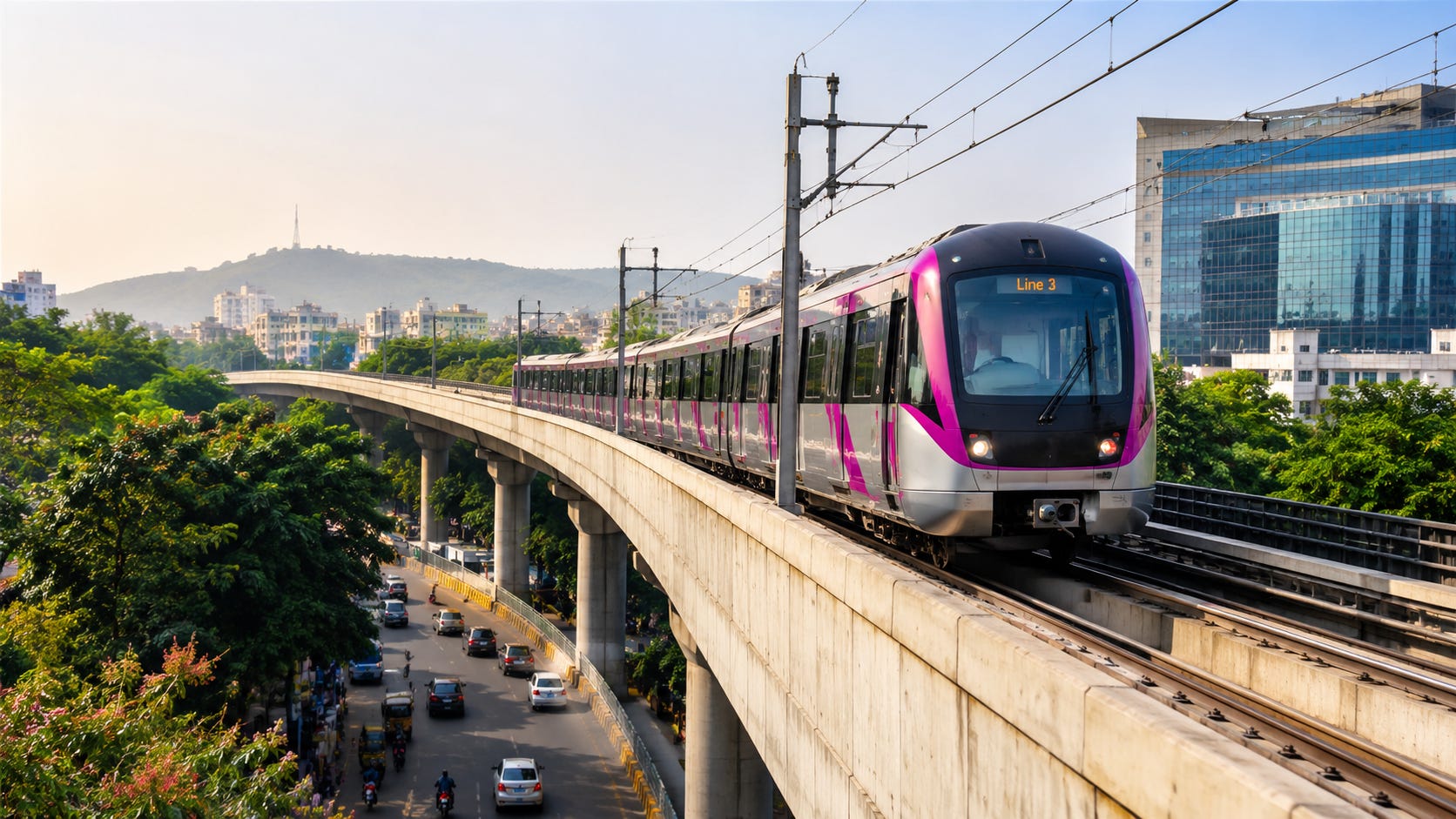
The Power Brief | 4 November 2026 | Urban infrastructure, telecom regulation, drug safety and maritime security
The Power Brief | 3 November 2026 | Naval procurement, manufacturing activity, renewable energy and rural governance
The Power Brief | 2 November 2026 | GST revenue, electoral rolls, aviation regulation and Digi Yatra
The Power Brief | 31 October 2026 | Rupee and reserves, GST changes, digital fraud safeguards and a narrow market rally
The Power Brief | 30 October 2026 | Market disclosure, sports goods, shares and cyclone recovery
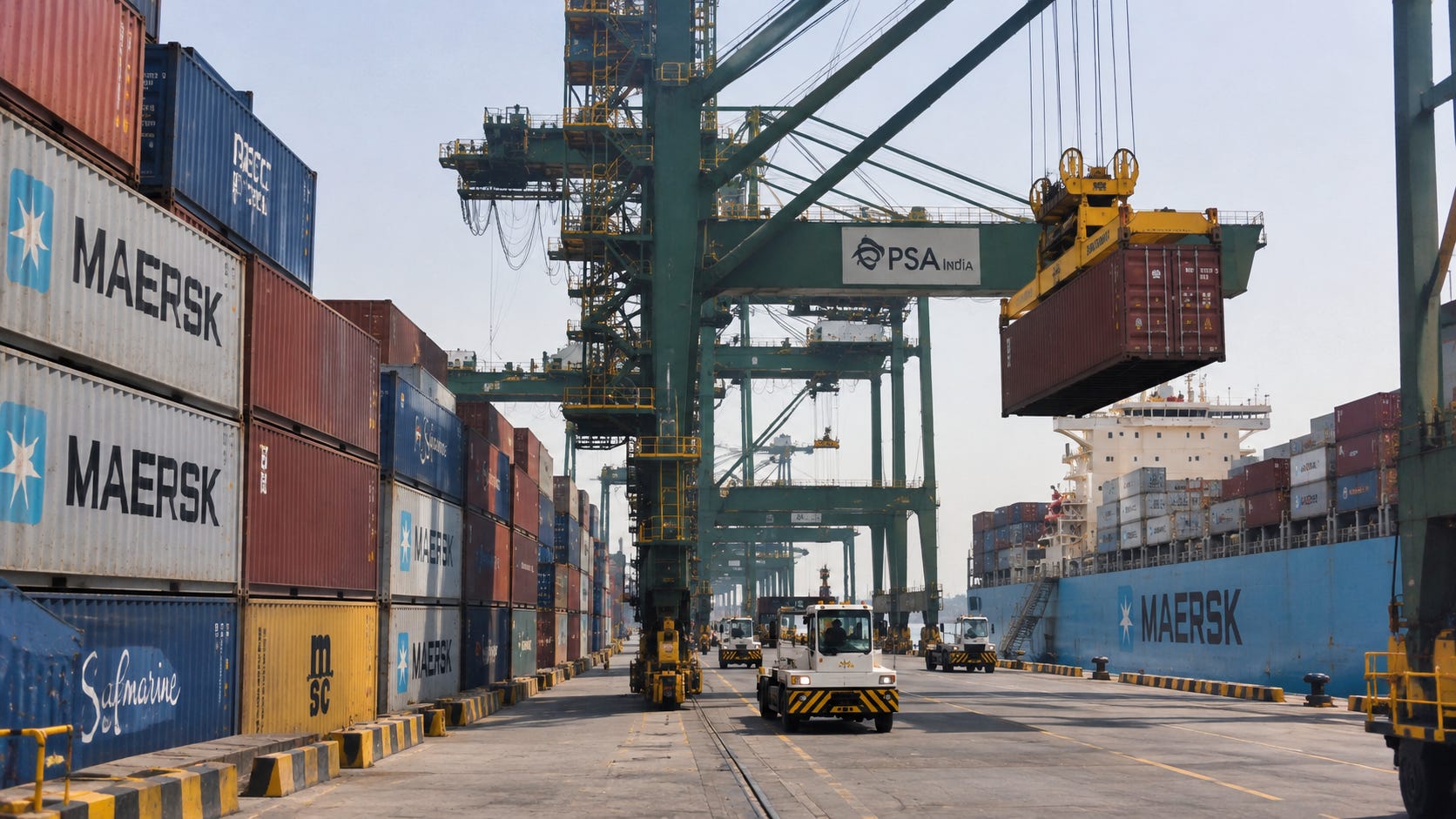
The Power Brief | 29 October 2026 | Containers, panchayats, cyclone recovery and diplomacy
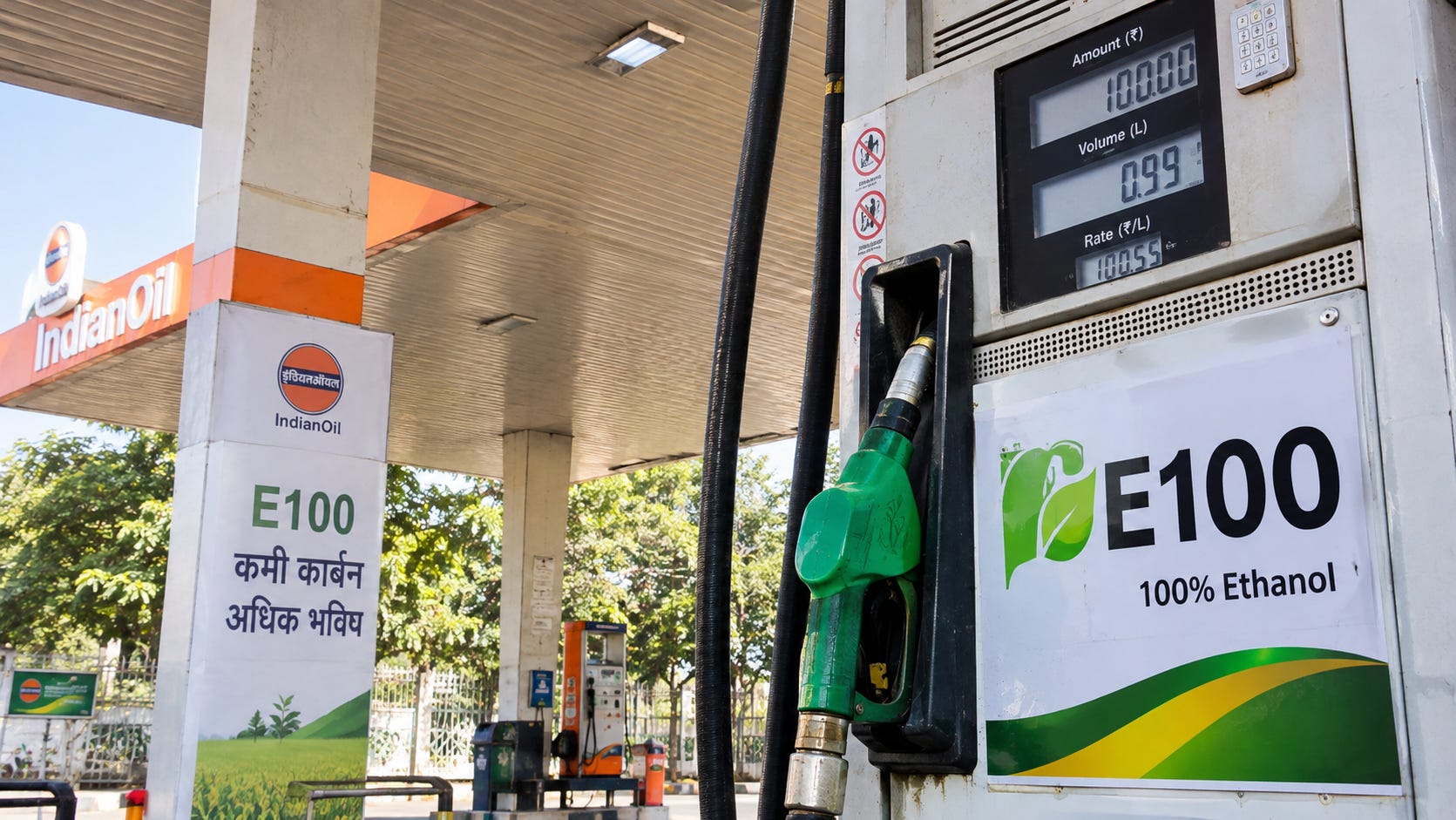
The Power Brief | 28 October 2026 | Flex fuel, toll passes, BRICS and Cyclone Arnab
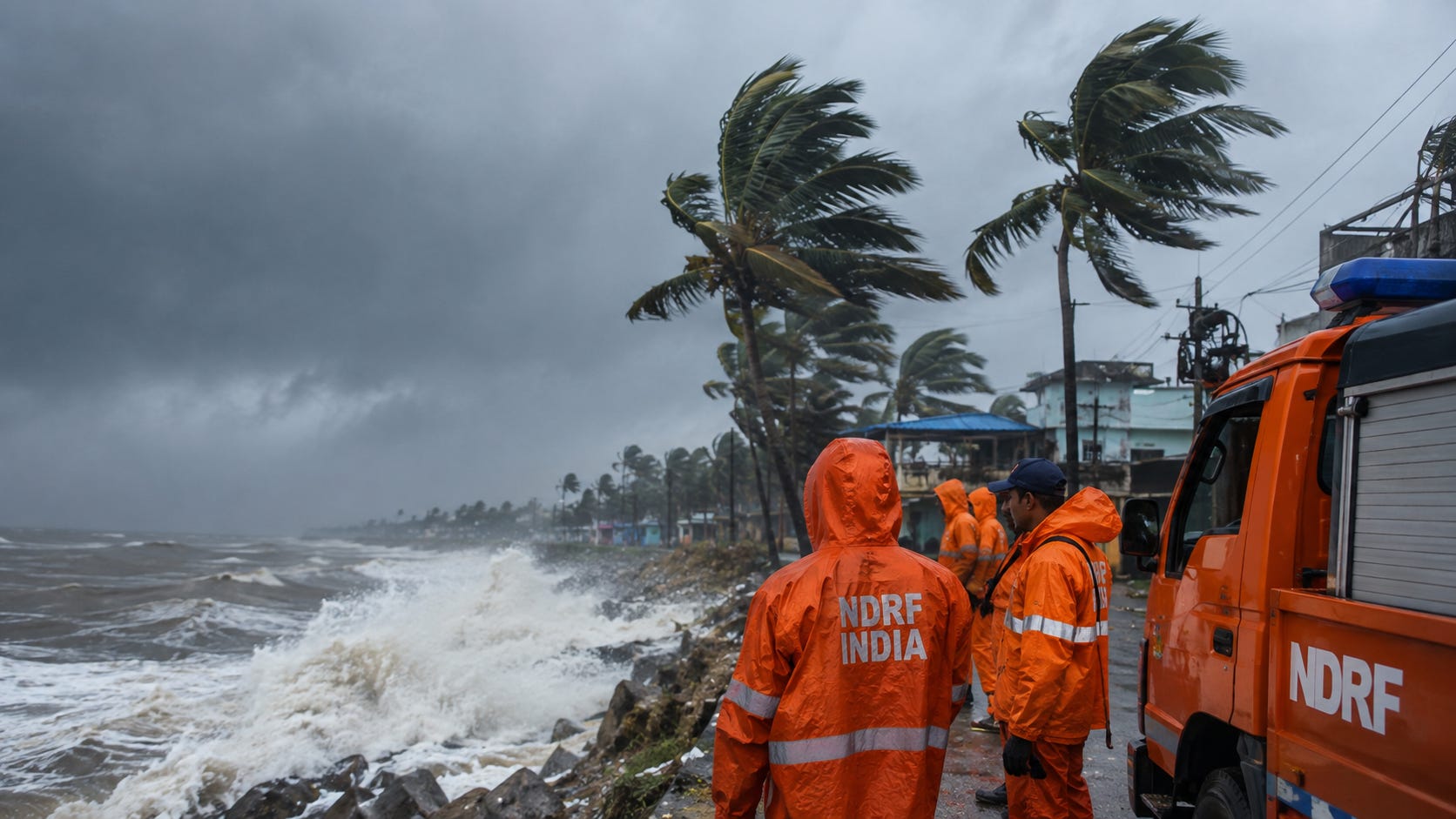
The Power Brief | 27 October 2026 | Cyclone Arnab, defence procurement, exports and business data
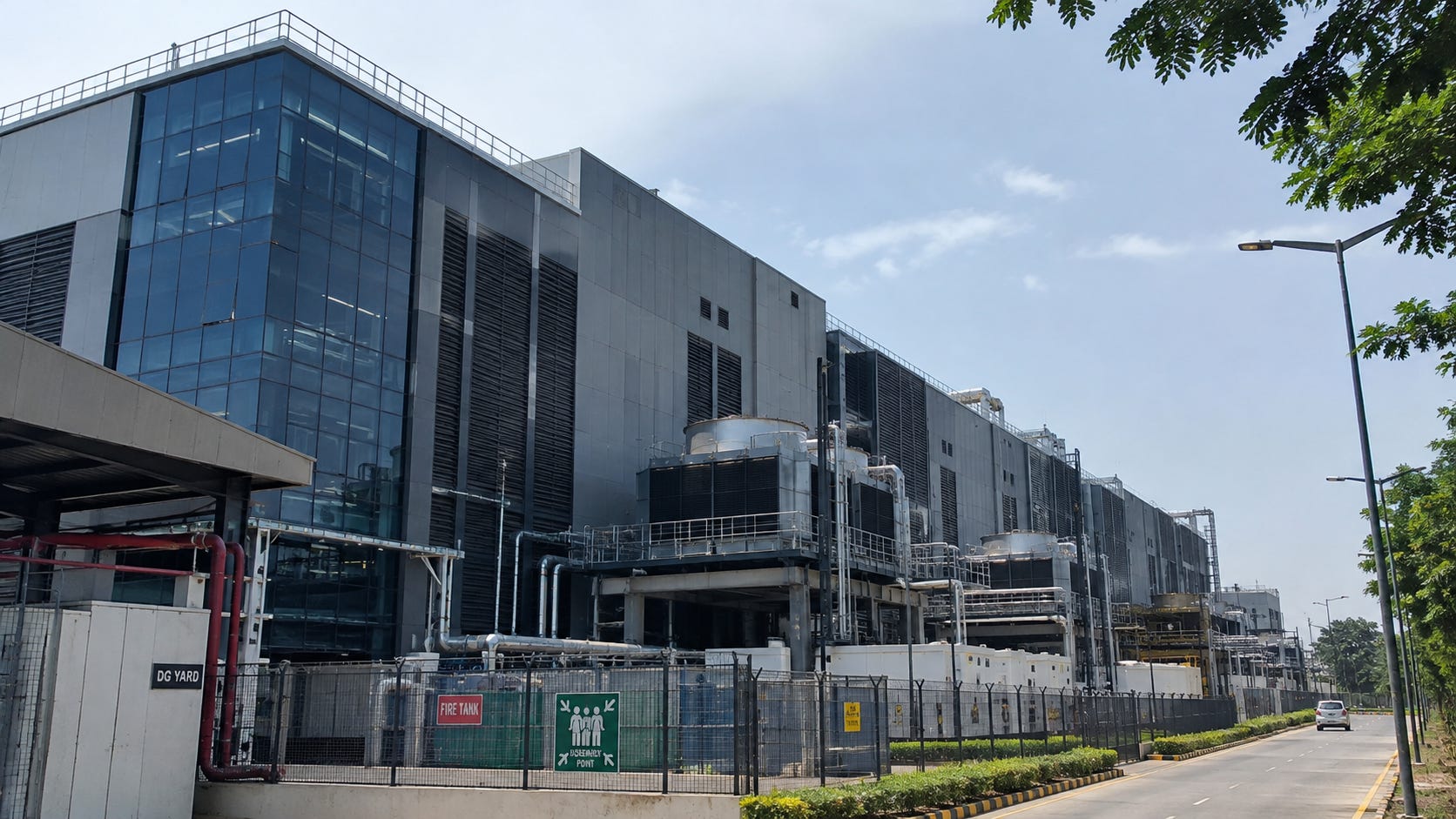
The Power Brief | 26 October 2026 | AI infrastructure, RBI resilience, Europe and BRICS
The Power Brief | 24 October 2026 | Jobs data, steel demand, engineering exports and Europe
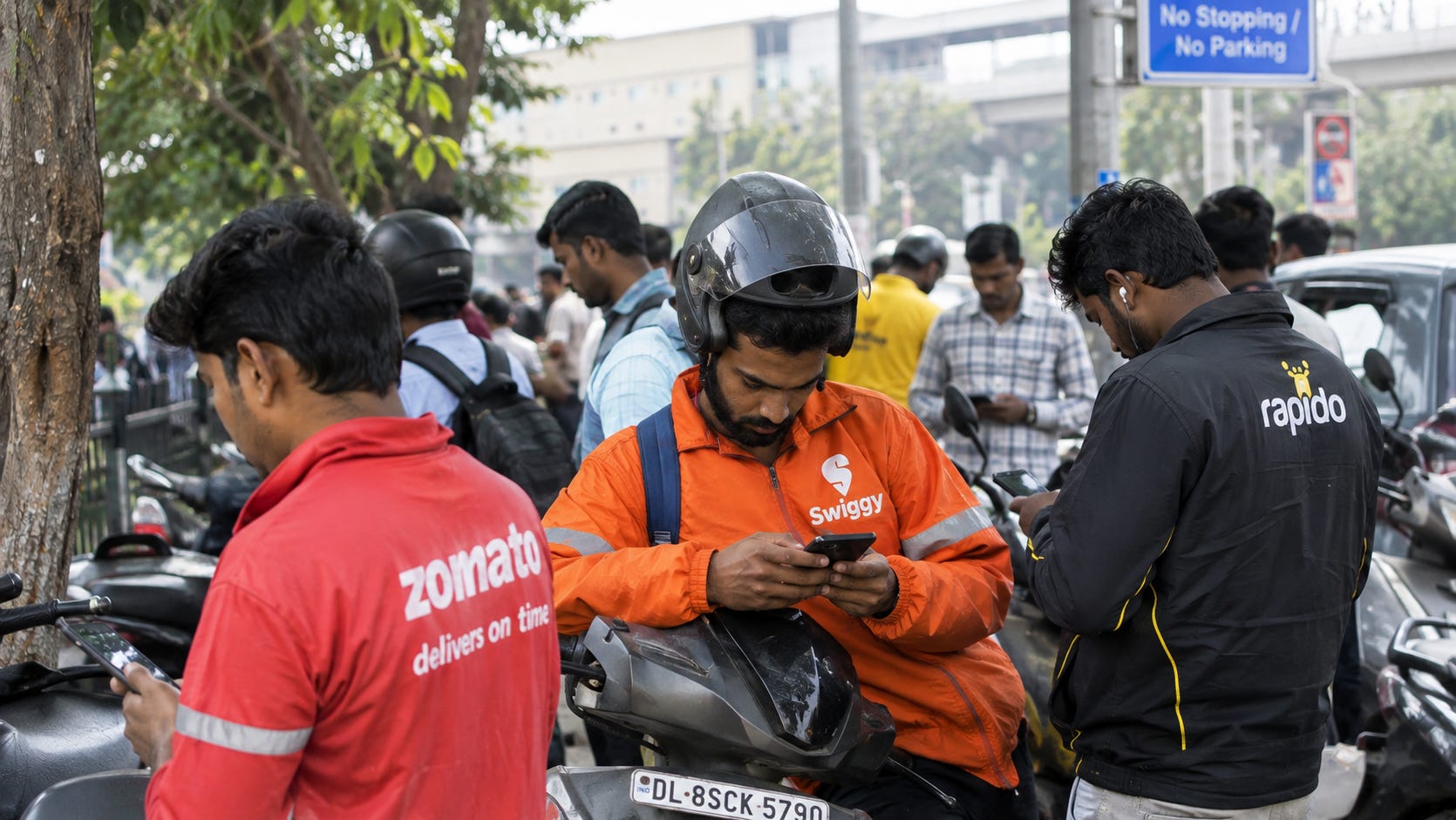
The Power Brief | 23 October 2026 | Energy, GST and local governance
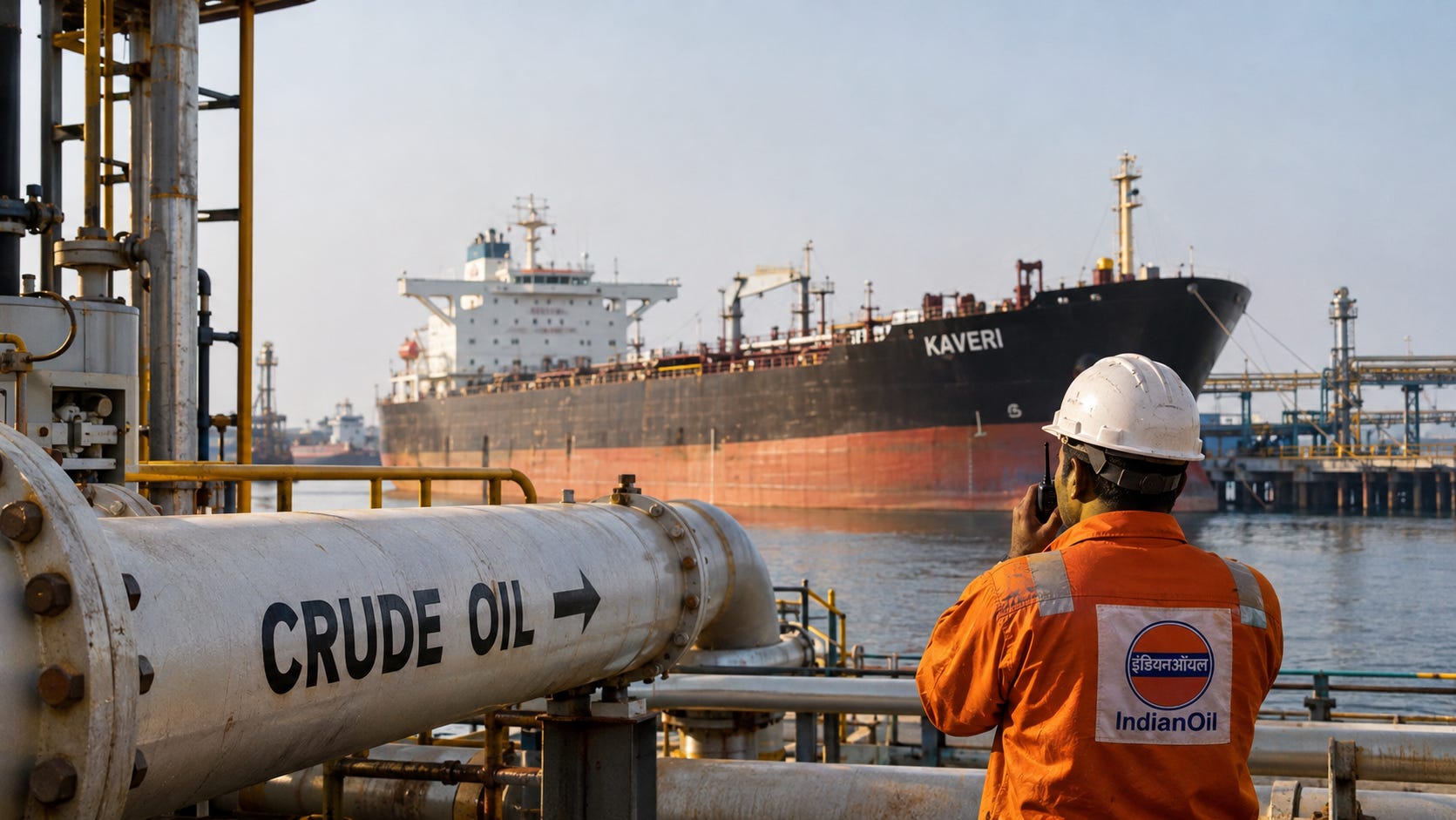
The Power Brief | 22 October 2026 | Monetary policy, industry, air quality and trade
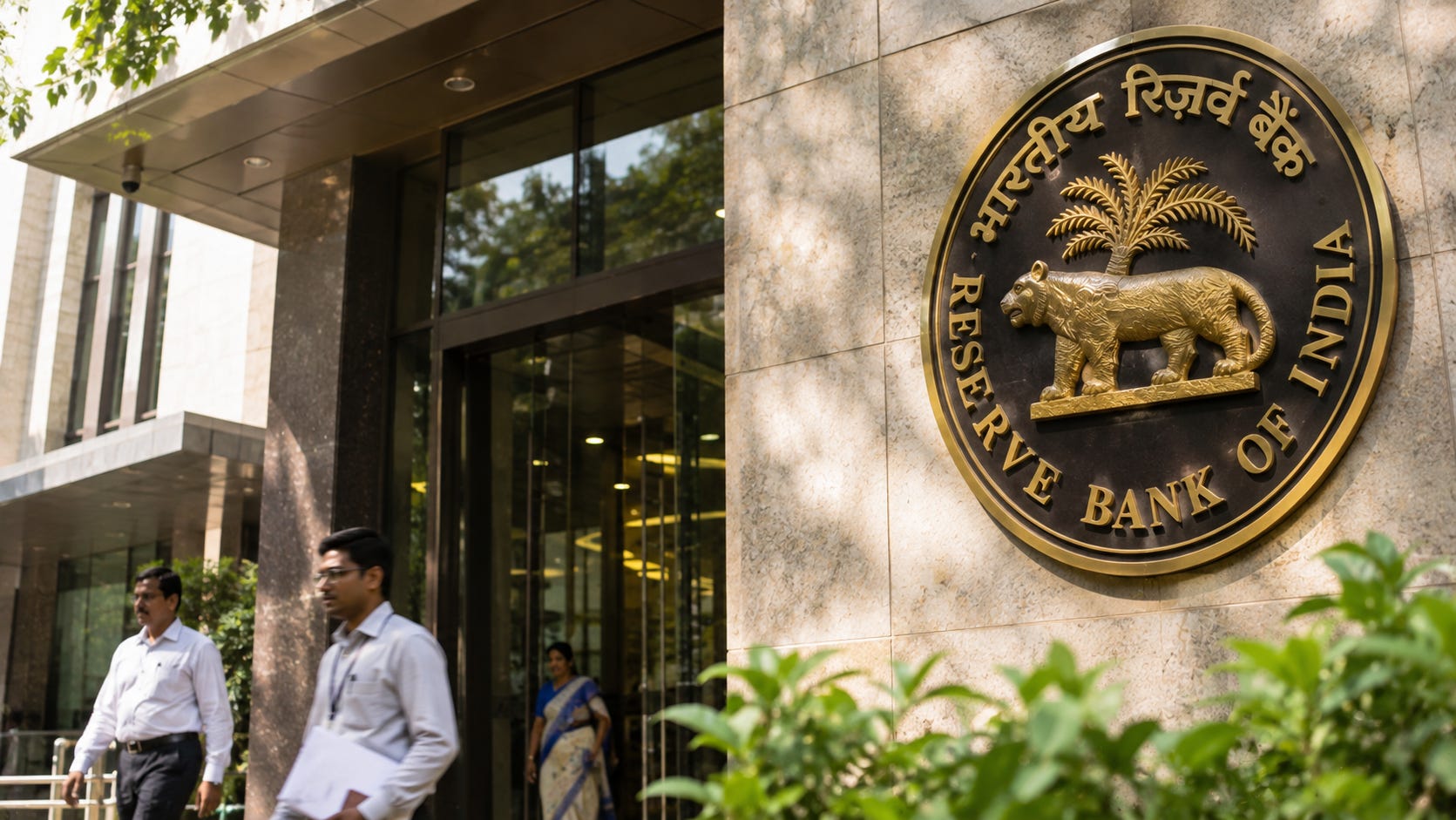
The Power Brief | 21 October 2026 | Trade diplomacy, energy, markets and rural employment